When Trust Brings Talent Through the Door
Every organisation dreams of hiring people who fit in, grow fast, and stay long. Often, the best candidates don’t come from job portals. Instead, they walk in through people who already believe in the company. That belief is the heart of a referral program.
However, without clarity, even good intentions can create confusion. This is where an employee referral program policy becomes more than a document. It becomes a promise of fairness, transparency, and trust.
Why Referral Programs Feel Personal
Referrals are emotional. When an employee recommends someone, they put their own reputation on the line. That sense of responsibility is powerful. At the same time, employees expect honesty in return—clear rules, clear rewards, and clear timelines.
Without defined guidelines, referrals can lead to disappointment. Some people may feel overlooked. Others may feel unsure about eligibility. Therefore, having a written policy protects both the employee and the organisation.
What Makes a Referral Policy Truly Work
A good policy is not about complicated rules. Instead, it answers simple questions clearly.
First, it explains who can refer. Usually, full-time employees are eligible, while HR teams and hiring managers may be excluded to avoid bias.
Next, it defines who can be referred. Former employees, interns, or relatives may or may not qualify. Clear boundaries reduce misunderstandings later.
Then comes the most awaited part—rewards. Cash bonuses, gift cards, or non-monetary rewards should be clearly stated. More importantly, the payment timeline should be realistic and documented. This is why a structured employee referral program policy helps create confidence. Employees know where they stand, and organisations avoid uncomfortable conversations.
Rewards Are Motivators, Not Shortcuts
While rewards attract attention, quality matters more than quantity. A well-designed referral program focuses on long-term retention, not just quick hiring. Many companies link rewards to milestones. For example, part of the reward may be paid after the new hire completes probation. This approach aligns referrals with business stability and fairness.
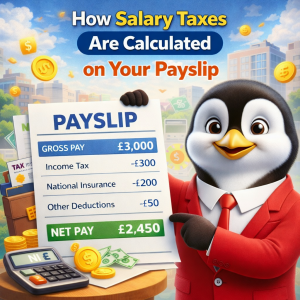
At the same time, it’s important to ensure that rewards follow payroll and tax rules. In India, referral bonuses are treated as taxable income. Companies must process them correctly to stay compliant with wage and tax regulations.
Compliance and Fairness Matter More Than Ever
Government labour frameworks emphasise equal opportunity, non-discrimination, and transparent employment practices. Referral programs must align with these principles.
This means referrals should never bypass merit-based selection. Clear documentation ensures that hiring decisions remain fair and defensible.
A written employee referral program policy also helps during audits or disputes. It shows that the organisation follows structured HR practices rather than informal promises.
Where Many Companies Struggle
Creating policies manually takes time. HR teams often juggle multiple responsibilities, which increases the risk of outdated clauses or missing compliance details. Sometimes, policies are copied from templates that don’t match the company’s industry or location. This leads to confusion when rules don’t align with actual practices. Consistency also becomes a challenge. When policies and HR letters don’t speak the same language, employees lose trust.
Why Structure Builds Stronger Workplaces
HR policies are not just rulebooks. They create discipline, clarity, and psychological safety. When supported by proper HR letters—such as appointment letters or confirmation letters—they form a complete system of communication. Well-drafted documents reduce dependency on verbal explanations. They also ensure consistency across teams, locations, and leadership changes. This is especially true for referral programs, where expectations need to be aligned from day one.
Conclusion
Referral programs succeed when trust flows both ways. Clear rules protect fairness, while transparent rewards encourage participation. When policies and HR letters are aligned, organisations build stability and confidence at every level.
HRTailor.AI supports HR professionals and employers by simplifying the creation of HR policies and HR letters through AI-driven automation. With industry-wise, state-wise, and country-specific documents, it helps organisations save time, reduce errors, and maintain compliance—while keeping HR processes structured and human.