Introduction
In every organisation, information is power. Employee records, client details, financial data, internal strategies—these are not just documents stored in folders or systems. They are assets that directly affect trust, compliance, and business continuity. For employers and HR teams, protecting this information is not optional; it is a responsibility.
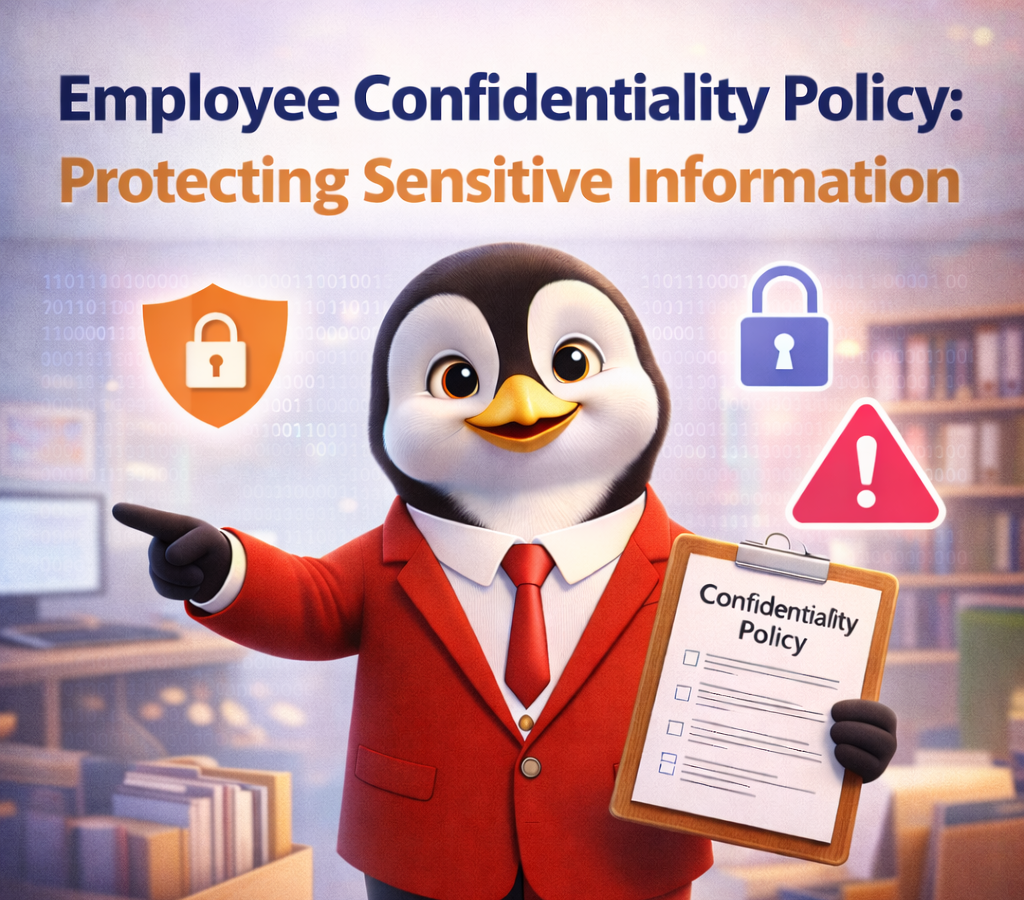
This is where a well-defined employee confidentiality policy becomes essential. It sets clear expectations, defines boundaries, and creates accountability—long before any issue arises.
Why Confidentiality Is a Business-Critical Issue
Confidentiality breaches rarely happen with bad intentions. Most occur because employees are unclear about what information is sensitive, how it should be handled, or where the line is drawn.
From an employer’s point of view, the risks include:
-
Loss of client trust
-
Legal and contractual penalties
-
Damage to brand reputation
-
Internal conflicts and disciplinary challenges
HR plays a key role here—not just in enforcement, but in prevention. A written policy ensures everyone understands their responsibility from day one.
What Counts as Confidential Information?
One common mistake organisations make is assuming employees “already know” what is confidential. In reality, clarity is critical.
Confidential information typically includes:
-
Employee personal and payroll data
-
Client and vendor information
-
Financial records and pricing details
-
Internal reports, strategies, and business plans
-
Proprietary processes or intellectual property
Defining these clearly within your policy removes ambiguity and reduces risk.
HR’s Role in Setting Clear Confidentiality Standards
From onboarding to exit formalities, HR is involved at every stage of the employee lifecycle. This makes HR the natural owner of confidentiality governance.
A strong policy helps HR:
-
Communicate expectations during onboarding
-
Set behavioural standards without micromanaging
-
Support managers in handling violations fairly
-
Maintain consistency across departments
Instead of reacting to incidents, HR can proactively guide behaviour.
Key Elements Every Confidentiality Policy Should Cover
To be effective, a policy must go beyond generic statements. Employers should ensure the document clearly outlines:
-
Scope of confidentiality – what information is protected
-
Employee responsibilities – how data should be handled
-
Access control – who can access what, and why
-
Use of company information – both during and after employment
-
Consequences of violations – disciplinary and legal actions
When these elements are clearly documented, enforcement becomes easier and fairer.
Confidentiality Beyond the Office Walls
Modern work environments are no longer limited to office desks. Employees work remotely, collaborate digitally, and access systems from multiple locations. This increases exposure risk.
An effective employee confidentiality policy should address:
-
Use of personal devices for work
-
Sharing information over messaging or collaboration tools
-
Handling printed documents outside office premises
-
Discussing work-related matters in public or shared spaces
Clear guidance here protects both the organisation and the employee.
Handling Policy Violations Professionally
No policy is complete without a fair and structured response framework. When confidentiality rules are broken, HR must act decisively—but also consistently.
Best practices include:
-
Investigating facts before taking action
-
Documenting incidents clearly
-
Applying penalties aligned with policy severity
-
Educating employees after minor or unintentional breaches
This balanced approach strengthens policy credibility rather than creating fear.
Making Policy Creation Easier for HR Teams
Drafting confidentiality rules from scratch can be time-consuming, especially when legal alignment and clarity are required. Many HR teams now rely on smart policy frameworks to ensure accuracy and consistency.
Tools like the HRTailor.AI Policy Builder help HR professionals structure confidentiality policies that are practical, role-aware, and easy to communicate—without sounding overly legal or restrictive.
Training Matters as Much as Documentation
A policy that sits unread in a folder has limited value. Employers should pair documentation with awareness.
Effective methods include:
-
Policy walkthroughs during onboarding
-
Short refresher sessions or internal reminders
-
Scenario-based discussions for managers
-
Clear acknowledgment from employees
When employees understand why confidentiality matters, compliance improves naturally.
Confidentiality as a Culture, Not Just a Rule
The strongest organisations don’t rely on fear of penalties. They build a culture where discretion is respected, and information is handled responsibly.
When leadership sets the right example and HR provides clear direction, confidentiality becomes part of everyday work behaviour—not just a clause in a document.
A thoughtfully written employee confidentiality policy supports this culture while protecting the organisation’s most valuable information.
Final Thought
Confidentiality is not about control—it is about trust. For employers and HR teams, setting clear rules today prevents costly issues tomorrow. With the right policy structure, communication, and tools, organisations can protect sensitive information while empowering employees to work confidently and responsibly.