Consultant Agreements vs Employment Contracts Explained

Introduction
Hiring a consultant can solve a short-term gap fast. However, paperwork often lags behind the decision to onboard. As a result, teams start work on calls and emails, while the legal and HR terms stay unclear. This creates predictable problems. For example, managers assume “employee-like” availability, while the consultant expects flexible delivery. Meanwhile, finance may process payments without clear milestones, and IT may grant tool access without written boundaries.
A clear agreement reduces this risk. It also helps startups and SMEs stay consistent as they scale, especially when they onboard people quickly across locations. When companies compare consultant agreements and employment contracts, the goal is usually practical: define expectations and protect the business. Therefore, it helps to understand how the two documents differ in structure, intent, and day-to-day control.
An employment contract typically covers a long-term relationship with set working conditions, benefits, and policies. In contrast, a consultant agreement for an individual usually focuses on deliverables, timelines, and fees, even when the person works alongside your team. Still, many businesses treat consultants like employees operationally. So, the document must be written carefully to avoid confusion later.
What to decide first (before drafting)
Before you write anything, clarify these basics:
-
Engagement type: fixed-term, part-time, or project-based
-
Work expectation: deliverables vs hours-based support
-
Control level: how closely the company directs daily work
-
Payment structure: monthly retainer, hourly, or milestone-based
-
Access needs: tools, data, devices, internal meetings
-
End plan: clear notice and handover steps
Because these choices shape your terms, they also reduce rework in drafting.
Key differences that matter in real operations
Instead of focusing on legal labels, focus on how the relationship works in practice.
1) Control and supervision
Employment contracts usually define reporting lines, working hours, and company policies in detail. Meanwhile, consultant agreements typically allow more flexibility in “how” work gets done.
However, if your manager assigns daily tasks, fixes schedules, and monitors attendance, the relationship starts looking employee-like. Therefore, write expectations clearly so both sides understand boundaries.
2) Payment and benefits
Employment contracts commonly include salary structure, statutory benefits, leave, and reimbursements. On the other hand, consultant agreements usually focus on fees, invoice timing, and agreed expenses.
Also, keep payment language simple. If you use milestones, define what “accepted” means to avoid payment disputes.
3) Tools and data access
Employees often receive broad system access over time. Consultants may need limited access for a defined purpose.
Therefore, specify:
-
what tools access is required
-
what data they can use
-
what they must return or delete at the end
This protects confidentiality and supports clean offboarding.
4) Ownership of work
Both documents should address IP ownership, but consultant agreements need extra clarity because consultants may reuse frameworks across clients.
So, define:
-
ownership of work created during the engagement
-
treatment of pre-existing materials
-
whether portfolio use is allowed (and under what conditions)
5) Ending the relationship
Employment contracts often include notice periods, termination grounds, and final settlement processes. Consultant agreements also need these, but they should be linked to deliverables, access return, and handover.
As a result, you avoid “unfinished work” situations when someone exits quickly.
Clauses you should include in both documents
Even if the structure differs, these clauses protect day-to-day operations:
-
Scope of work: responsibilities + deliverables in bullets
-
Term and renewal: start date, end date, extension rules
-
Confidentiality: what is confidential, how to handle it, how long it lasts
-
IP ownership: who owns what, when ownership transfers
-
Conflict of interest: disclosure, competitor boundaries (reasonable)
-
Non-solicitation: protect staff and customers if relevant
-
Expenses: what is reimbursable and how approvals work
-
Termination and handover: notice, exit steps, files and access return
-
Governing law and dispute resolution: keep short and clear
If you keep this checklist consistent, reviews become faster and approvals become easier.
Where most teams go wrong
Mistakes usually happen because people “reuse and tweak” old templates.
Common issues include:
-
wrong names, dates, or location references
-
missing fee schedule or invoice timing
-
unclear deliverables (“support as needed”)
-
no clear acceptance criteria for milestones
-
no mention of handover, device return, or data deletion
-
inconsistent language across departments
Therefore, the fix is not just “write better.” It is to standardise how you create and issue documents.
How modern HR teams streamline documentation with AI workflows
AI helps most when it reduces manual drafting and repeated edits. Instead of starting from a blank page, teams use structured inputs and consistent outputs.
A practical workflow looks like this:
-
Choose the document type first
This avoids using the wrong template and sets the right structure from the start. -
Collect key details through guided fields
When a tool asks for work mode, location, industry, company type, and worker type upfront, teams miss fewer essentials. -
Generate a clean, consistent document
Tools that focus on professional layout reduce formatting effort and make documents easier to review. -
Adjust for location-specific legal requirements
If the workflow tailors the document to the employment laws of the selected region, companies reduce compliance mismatches across states and countries. -
Download in practical formats
When teams can download letters in PDF and editable Word, they can share quickly and still make controlled edits if needed.
This approach does not replace policy. However, it makes execution faster and more consistent.
A simple “do this every time” process
If you want fewer mistakes, build a repeatable process:
-
Keep one master template set for consultant and employment documents
-
Use a fixed input checklist (dates, location, fees/salary, manager, deliverables)
-
Write responsibilities in bullets, not paragraphs
-
Confirm ownership and confidentiality in simple terms
-
Store final versions centrally with clear file naming
-
Track renewals and end dates so exits don’t get missed
Once this is in place, creating a consultant contract agreement becomes a predictable task instead of a last-minute scramble.
Conclusion
Consultant agreements and employment contracts often look similar on paper, but they work differently in daily operations. Therefore, the safest approach is to define scope, timelines, payment, confidentiality, IP, and exit steps in simple language that matches how your team will actually work.
HRTailor.AI is one example of a tool that supports faster, more consistent HR documentation by letting you select the document type, enter structured details (like location and work mode), and then download a ready-to-share document in PDF or editable Word—helping reduce delays and documentation errors.
Try HRTailor.AI to streamline your HR documents with fewer edits and faster turnaround.


Frequently Asked Questions
An employment contract usually defines long-term working conditions and policies, while a consultant agreement typically focuses on deliverables, fees, and limited access for a defined period.
Yes, you should name a primary point of contact for coordination. However, keep expectations focused on deliverables rather than strict daily supervision.
Define fee type, payment schedule, invoicing rules, and acceptance criteria for deliverables or milestones.
It depends on the agreement. Most companies include an IP ownership clause stating work product belongs to the company upon payment or completion.
Scope, term, fees, confidentiality, IP ownership, conflict of interest, and termination/handover steps.

Job Contract Agreement Explained With Key Clauses and Examples
Job Contract Agreement Explained With Key Clauses and Examples Introduction...
Read More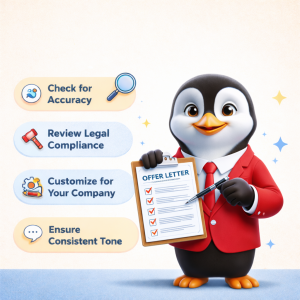
What HR Teams Should Check Before Using a Sample Offer Letter
What HR Teams Should Check Before Using a Sample Offer...
Read More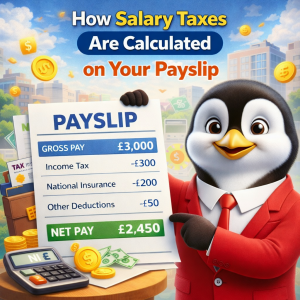
How Salary Taxes Are Calculated on Your Payslip
Your pay slip can look like a mini...
Read More
End of Employment Letters: Resignation, Termination, and Closure Explained
End of Employment Letters: Resignation, Termination, and Closure Explained Introduction...
Read More