Appointment Letter: Meaning, Importance, and When to Issue It

Introduction
Hiring doesn’t end when a candidate says “yes.” In fact, many misunderstandings start after acceptance—when details are still scattered across emails, chats, and verbal discussions. That’s where an appointment letter becomes essential. It gives both sides a clear, written record of employment terms and expectations.
For startups and SMEs, this document also signals maturity. It shows candidates that the organisation runs on defined processes, not last-minute fixes. And as teams scale across roles and locations, consistent appointment letters help HR and operations stay aligned.
Appointment letter meaning in simple terms
The appointment letter meaning is straightforward: it is a formal document issued by an employer confirming that a candidate has been appointed to a role, along with key terms of employment. It typically follows selection and acceptance, and it serves as a reference point once the employee joins.
While practices vary by organisation and country, the intent remains the same—reduce ambiguity and document agreed terms in a professional format.
Why appointment letters matter in fast-moving organisations
When you’re hiring quickly, small gaps become big issues. An appointment letter helps because it:
-
Sets clear expectations from day one
-
Reduces back-and-forth on basic terms
-
Protects both the employer and employee with a written record
-
Supports smoother onboarding and internal coordination
-
Minimises disputes about “what was promised”
Moreover, it creates confidence. Candidates feel reassured when terms are stated clearly and consistently.
Appointment letter vs offer letter (and how to use both)
Many organisations use offer letters and appointment letters differently, while some merge them. A practical distinction is:
-
Offer letter: communicates the intent to hire and proposed terms, often before joining and sometimes conditional
-
Appointment letter: confirms appointment and employment terms in a more formal, finalised way
In short, offer letters can support early commitment, whereas appointment letters support operational clarity once hiring is confirmed.
When should you issue an appointment letter?
When should you issue an appointment letter?Why HR policies matter for discipline and a healthy environment
Offer letters don’t exist in isolation. HR policies set the “rules of the workplace,” which supports discipline and clarity across teams.
When policies are clear, employees understand expectations early. As a result, managers spend less time interpreting rules, and HR spends less time resolving avoidable confusion. Most importantly, policies create fairness—people know decisions are based on defined standards, not personal preferences.
What to include in an appointment letter
A strong appointment letter is easy to read and hard to misinterpret. Most letters should include:
-
Employee name and role title
-
Department and reporting manager
-
Work location and work mode (onsite/remote/hybrid)
-
Date of joining and work schedule expectations
-
Compensation structure (high-level breakup) and pay cycle
-
Probation/initial period details, if applicable
-
Notice period and separation-related basics (high-level)
-
Confidentiality, conflict of interest, and code of conduct expectations
-
Any role-specific conditions (for example, shift work, travel, or document requirements)
-
Acceptance and signature section
If you define templates by function and seniority, you’ll improve consistency while still covering role-specific needs.
The wider role of HR letters in a transparent workplace
Appointment letters are only one part of professional employee communication. Over time, HR letters create a documented trail that keeps decisions clear and explainable.
Examples include:
-
Confirmation letters after probation
-
Increment or promotion letters
-
Warning letters for misconduct or repeated issues
-
Role change or transfer letters
-
Relieving and experience letters
Because these letters record key events, they help employees understand decisions and timelines. And for employers, they support fairness and consistency—especially when managers change.
Why well-drafted HR letters support compliance and stability
Clear documentation supports compliance in a practical way. It doesn’t just help during audits or disputes. It also helps managers make consistent decisions, even under pressure.
When HR letters follow a defined structure:
-
Similar situations are handled similarly
-
Communication becomes more professional
-
Risk of contradictory terms drops
-
The organisation looks more credible to candidates and employees
That stability matters for SMEs, where a few documentation errors can consume weeks of leadership time.
Manual drafting challenges (time, errors, and version confusion)
Many teams still create letters manually: copy an old file, edit it, and send it for approvals. However, this often leads to:
-
Incorrect role titles, dates, or compensation figures
-
Outdated clauses reused without review
-
Formatting inconsistencies across departments
-
Multiple versions floating in email threads
-
Slower turnaround due to repeated reviews
Even when the intent is right, manual processes increase the chance of mistakes. And once an employee signs a document, corrections become harder and more sensitive.
Mini scenario 1 — Offer letter turnaround delay
A startup finalises a candidate for a key role. The hiring manager wants the offer out the same day. HR pulls a previous template, but it doesn’t match the role level. Compensation needs edits, and approvals take time.
Two days pass. The candidate follows up, then accepts another offer. The organisation loses a strong hire not because of pay, but because the process looked uncertain.
A tighter documentation workflow, with ready templates and structured inputs, prevents this avoidable delay.
Mini scenario 2 — Updating documentation across locations
An SME expands into multiple locations and tries to standardise appointment letters across offices. Unfortunately, each location keeps its own version. Over time, clauses drift. One branch updates notice period wording, another doesn’t. Employees start comparing terms, and HR spends weeks clarifying.
This is where central control of templates and location-specific variants becomes crucial—so your letters remain consistent while still fitting local requirements.
A practical checklist to keep appointment letters consistent
To improve quality without slowing hiring, use this checklist:
-
Use approved templates by role level and function
-
Confirm location-specific details before drafting
-
Verify compensation numbers and pay cycle wording
-
Keep clauses consistent with internal documentation standards
-
Ensure signatory authority is correct
-
Store final versions centrally with clear naming conventions
-
Track version changes to avoid outdated reuse
If you implement even half of this, the quality of HR communication improves quickly.
How HRTailor.AI simplifies HR letters with basic inputs
HRTailor.AI is an AI-based HR platform that helps HR professionals and employers generate HR letters using basic inputs, while maintaining a structured and consistent output. It also supports creating documents industry-wise, state-wise, and country-specific, which helps teams stay relevant and compliant across different locations.
One short paragraph + bullet benefits + one CTA line
If your HR team is handling frequent hiring or managing multiple locations, structured document generation can reduce manual effort and improve consistency.
-
Create appointment letters and other HR letters faster with standard structure
-
Reduce common errors caused by copy-paste edits
-
Maintain location-relevant versions (industry/state/country-specific)
-
Improve consistency across departments and branches
-
Build an organised documentation system as headcount grows
Explore HRTailor.AI to generate structured HR letters with less manual drafting.
Conclusion
An appointment letter is a simple document, but it carries significant weight. It confirms employment terms, sets expectations clearly, and strengthens trust at the start of the employee relationship. When combined with consistent HR letter practices across the employee lifecycle, it also supports compliance, fairness, and organisational stability.
Most importantly, as your organisation grows, the goal should be repeatable clarity—documents that are accurate, consistent, and easy to issue without delays. The right workflow makes that possible, even for lean HR teams.


Frequently Asked Questions
The appointment letter meaning is the official confirmation of employment, including key terms like role, location, joining date, compensation overview, and other conditions.
Not always. Offer letters often come earlier to confirm intent and proposed terms, while appointment letters are typically more formal confirmation of appointment and final terms.
Commonly after offer acceptance and before joining, or on the joining date. The best approach is the one you apply consistently, with clear internal steps.
Job Contract Agreement Explained With Key Clauses and Examples
Job Contract Agreement Explained With Key Clauses and Examples Introduction...
Read More
What HR Teams Should Check Before Using a Sample Offer Letter
What HR Teams Should Check Before Using a Sample Offer...
Read More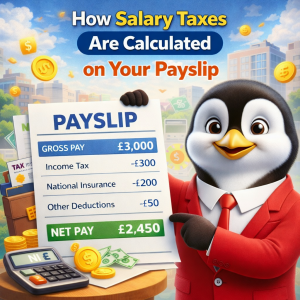
How Salary Taxes Are Calculated on Your Payslip
Your pay slip can look like a mini...
Read More
End of Employment Letters: Resignation, Termination, and Closure Explained
End of Employment Letters: Resignation, Termination, and Closure Explained Introduction...
Read More