Misconduct Policy: Defining Unacceptable Workplace Behaviour

Introduction
Every workplace brings together people with different backgrounds, values, and ways of working. While diversity strengthens organisations, it also makes it essential to define clear boundaries around behaviour. Without clearly established rules, even minor misunderstandings can escalate into serious workplace conflicts.
This is where a well-defined employee misconduct policy becomes indispensable. It sets expectations, provides clarity during difficult situations, and helps organisations maintain discipline, fairness, and professionalism across all levels.
The Role of HR Policies in Shaping Workplace Behaviour
HR policies form the backbone of any organisation’s work culture. They outline acceptable behaviour, define responsibilities, and guide both employees and managers in handling workplace situations consistently.
An employee misconduct policy is one of the most important HR policies because it clearly identifies behaviours that are unacceptable—such as harassment, discrimination, insubordination, misuse of company assets, breach of confidentiality, or unethical conduct. By defining these standards upfront, organisations reduce ambiguity and ensure that employees understand the boundaries of professional behaviour.
Clear HR policies encourage accountability, support decision-making, and create a more structured and respectful workplace environment.
Why an Employee Misconduct Policy Is Essential for Workplace Discipline
Workplace discipline is not about strict control; it is about clarity, fairness, and consistency. A strong employee misconduct policy helps organisations address behavioural issues objectively rather than emotionally.
Key benefits of a clearly defined misconduct policy include:
-
Setting clear expectations for employee conduct
-
Ensuring fair and consistent disciplinary action
-
Protecting the organisation from legal and reputational risks
-
Supporting managers in handling sensitive situations confidently
-
Promoting a safe, respectful, and professional work culture
Without such a policy, organisations may struggle with inconsistent decisions, employee dissatisfaction, and disputes arising from unclear or subjective actions.
The Importance of Well-Drafted HR Policies for Legal Compliance and Organisational Stability
HR policies are closely connected to labour laws and employment regulations. Poorly drafted or outdated policies can expose organisations to compliance risks, legal disputes, and financial penalties.
A well-structured employee misconduct policy ensures that disciplinary actions follow due process and align with legal requirements. It also demonstrates that decisions are documented, fair, and defensible.
Beyond compliance, strong HR policies contribute to organisational stability by:
-
Creating uniform standards across teams
-
Reducing workplace conflicts and grievances
-
Supporting transparent communication
-
Building trust between employees and management
When employees trust that rules are applied consistently, it strengthens morale, engagement, and long-term retention.
Common Challenges in Manually Drafting HR Policies
Despite their importance, creating HR policies manually can be both time-consuming and complex. Many HR teams find it challenging to balance policy drafting with daily operational responsibilities.
Common challenges include:
-
Spending extensive time researching legal requirements
-
Difficulty customising policies for specific industries or locations
-
Risk of outdated language or non-compliance
-
Inconsistencies across multiple HR documents
-
Dependence on external consultants, increasing costs
As organisations grow, these challenges often multiply, turning HR documentation into an operational burden rather than a strategic asset.
Why Organisations Need Smarter and More Efficient HR Documentation
Modern workplaces are evolving rapidly. Changes in workforce expectations, employment laws, and operating models require HR policies to be reviewed and updated regularly.
As a result, organisations are increasingly adopting smarter, technology-driven approaches to HR documentation. The focus is no longer just on creating policies—but on creating them accurately, efficiently, and consistently, without compromising on compliance.
Smarter documentation helps organisations remain agile, reduce risk, and respond confidently to workplace challenges.
How AI-Based Tools Are Transforming HR Policy Creation
AI-based HR tools are changing the way organisations approach policy creation. Instead of drafting documents from scratch, HR professionals can now generate structured, professional HR policies—such as an employee misconduct policy—using simple inputs.
These tools rely on intelligent templates and compliance-focused frameworks to reduce drafting time, minimise errors, and ensure consistency. This allows HR teams to spend less time on documentation and more time on strategic initiatives that add value to the organisation.
Supporting HR Teams with Intelligent Policy Builders
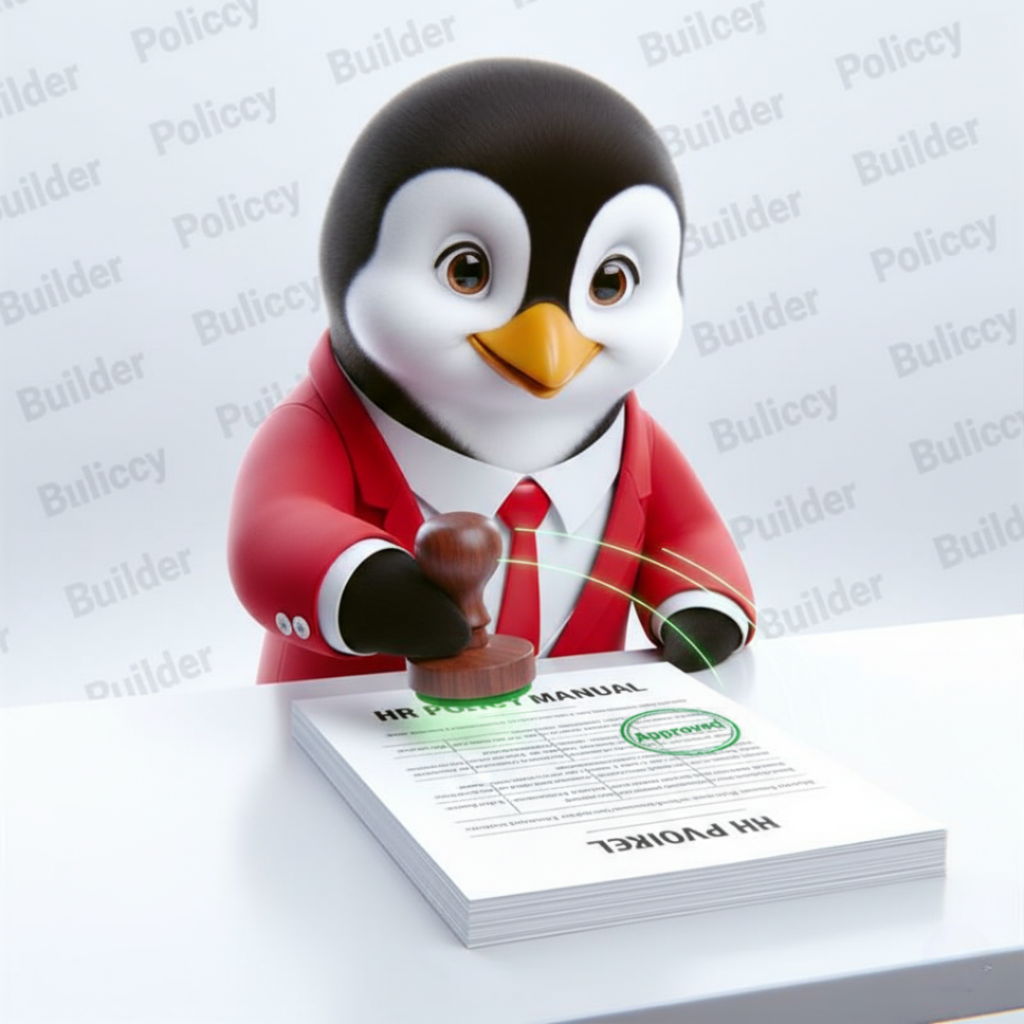
This is where modern HR policy builders come into the picture. Platforms like HRTailor.AI are designed to help HR professionals and employers create HR policies and HR letters quickly and accurately using HR Policy Builder. By providing basic organisational details, users can generate professionally structured documents without manual drafting or repeated revisions. The ability to create policies that are industry-specific, state-wise, and country-specific ensures relevance and compliance—making HR documentation more reliable and easier to manage.
Ensuring Industry-Specific and Location-Based Policy Compliance
Labour laws and workplace regulations vary across industries and geographies. A generic policy may fail to address these variations, leading to compliance gaps.
Modern HR policy builders enable organisations to create policies that are:
-
Aligned with industry-specific best practices
-
Compliant with state-level labour laws
-
Relevant to country-specific employment regulations
This ensures that an employee misconduct policy is tailored to the organisation’s operational and legal environment rather than being a one-size-fits-all document.
Creating a Disciplined, Fair, and Transparent Work Environment
A clearly defined employee misconduct policy does more than ensure compliance—it builds trust. When employees understand what is expected of them and how misconduct will be handled, it creates a sense of fairness and accountability.
By adopting structured approaches and modern tools for HR documentation, organisations can strengthen governance, reduce workplace conflicts, and foster healthier, more transparent work environments.
Conclusion: Strengthening Workplace Governance Through Clear Misconduct Policies
An effective employee misconduct policy is essential for defining unacceptable workplace behaviour, maintaining discipline, and protecting organisational integrity. While manual policy creation can be time-intensive and prone to errors, modern HR policy builders offer a smarter, more efficient alternative.
By using intelligent tools to create accurate, compliant, and tailored HR policies, organisations can support smooth and structured functioning—while keeping the focus where it belongs: on people and performance.

Frequently Asked Questions
Yes, when AI tools use structured frameworks and compliance-focused logic, they help create legally aligned policies. However, policies should always be reviewed periodically to ensure they match current laws and organisational practices.
It provides documented behavioural standards and disciplinary procedures, helping employers demonstrate fairness and consistency during disputes.
Yes. A well-structured policy can be updated whenever laws, company rules, or workplace practices change.
Job Contract Agreement Explained With Key Clauses and Examples
Job Contract Agreement Explained With Key Clauses and Examples Introduction...
Read More
What HR Teams Should Check Before Using a Sample Offer Letter
What HR Teams Should Check Before Using a Sample Offer...
Read More
How Salary Taxes Are Calculated on Your Payslip
Your pay slip can look like a mini...
Read More
End of Employment Letters: Resignation, Termination, and Closure Explained
End of Employment Letters: Resignation, Termination, and Closure Explained Introduction...
Read More