Introduction
Workplace disagreements rarely appear out of nowhere. They often begin as small issues—misunderstood behaviour, inconsistent responses from management, or unclear expectations—that gradually turn into disputes. When employees are unsure about boundaries or disciplinary processes, even routine situations can escalate into conflicts that impact productivity, morale, and trust.
As organisations grow, informal rules and verbal instructions stop working. Businesses need clearly documented guidelines that explain acceptable behaviour and how issues will be handled. Well-defined misconduct standards help organisations address problems early, reduce friction, and create a stable foundation for long-term workplace harmony.
Why Workplace Conflicts Escalate So Easily
Many workplace disputes are not caused by misconduct alone, but by the absence of clarity. When expectations are undocumented or applied inconsistently, employees may perceive decisions as unfair or biased.
A lack of structured guidance often leads to:
-
Confusion about acceptable conduct
-
Inconsistent disciplinary actions
-
Emotional decision-making by managers
-
Distrust between employees and leadership
Clear documentation helps prevent these issues by replacing assumptions with transparency and structure.
HR Policies: The Framework Behind Fair Workplaces
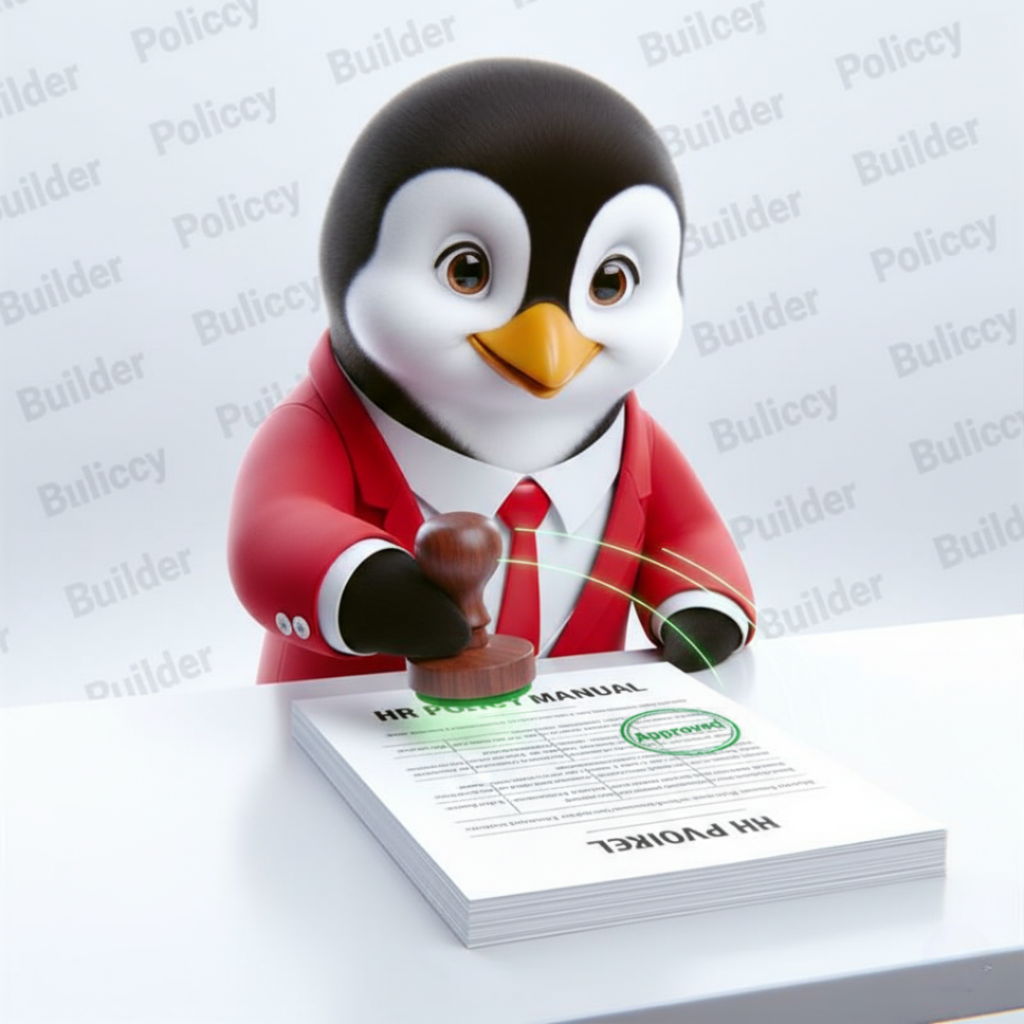
HR policies are formal documents that outline how an organisation functions and how people-related matters are handled. They provide a shared reference point for employees and management, ensuring consistency in behaviour, decision-making, and accountability.
Effective HR policies help organisations:
-
Define standards of conduct clearly
-
Ensure fairness in people management
-
Create transparency in internal processes
-
Encourage respectful and professional behaviour
Among these policies, misconduct guidelines are especially critical. They help employees understand boundaries and provide managers with a clear process for addressing concerns before they turn into disputes.
How Defined Misconduct Standards Prevent Disputes
Uncertainty is one of the biggest triggers of workplace conflict. Clearly documented workplace misconduct rules remove that uncertainty by explaining what behaviour is unacceptable and how violations will be addressed.
When expectations are clearly stated:
-
Employees know where boundaries lie
-
Managers can act consistently and objectively
-
Decisions rely on documented standards, not personal judgment
Clear workplace misconduct rules also protect employees by ensuring that actions taken against them follow a defined process. At the same time, they protect employers by providing written justification for decisions, reducing the risk of disputes escalating into formal grievances or legal challenges.
Why Policy Quality Matters More Than Policy Presence
Having HR policies is not enough—the quality of those policies matters just as much. Vague, copied, or outdated documents can create more problems than they solve.
Well-crafted HR policies are essential because they:
-
Align organisational practices with labour laws
-
Ensure consistency across teams and locations
-
Strengthen credibility and professionalism
-
Provide defensible documentation during disputes
Poorly written policies can leave room for interpretation, leading to inconsistent enforcement and employee dissatisfaction. Clear, structured policies reduce ambiguity and support confident decision-making.
The Reality of Manual Policy Drafting
For many startups and small businesses, HR policy creation is often delayed or rushed. Manual drafting requires time, legal awareness, and careful wording—resources that many growing organisations lack.
Common difficulties include:
-
Interpreting complex compliance requirements
-
Missing critical clauses or protections
-
Using outdated templates
-
Inconsistent language across documents
For founders and first-time employers without HR experience, these challenges increase the risk of disputes rather than reducing them.
Rethinking How HR Policies Are Created
Modern organisations are increasingly rethinking traditional approaches to HR documentation. Instead of starting from scratch, they are adopting structured tools that guide users through policy creation using clear inputs and predefined frameworks.
An HR Policy Builder simplifies this process by:
-
Breaking policy creation into manageable steps
-
Reducing reliance on legal or HR expertise
-
Ensuring consistency and completeness
-
Saving time without compromising accuracy
This approach makes professional HR documentation accessible even to organisations without dedicated HR teams.
A Smarter Way to Build HR Policies
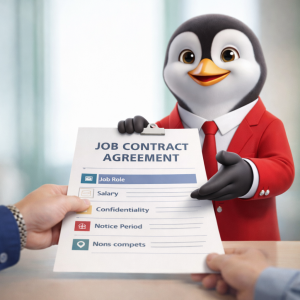
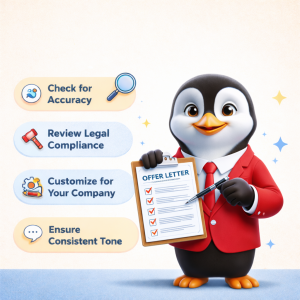
This is where HRTailor.AI offers practical value. Designed to assist HR professionals, employers, and growing businesses, it enables the creation of HR policies and HR letters through a guided, input-based process. By allowing documents to be generated based on industry, state, and country-specific requirements, it helps ensure policies are relevant, structured, and aligned with HR Policy Builder applicable regulations—without demanding prior HR knowledge or technical skills.
Supporting Growth with Clear Workplace Standards
As businesses scale, clarity becomes critical. Informal practices that work in small teams often break down as headcount increases. Clear workplace misconduct rules help organisations maintain consistency, even during periods of rapid growth.
They support:
-
Professional workplace culture
-
Reduced internal disputes
-
Stronger employee trust
-
Predictable and fair decision-making
Accessible policy creation tools allow growing businesses to put these structures in place early, rather than reacting to issues after they arise.
Conclusion
Clear workplace misconduct rules play a vital role in reducing disputes, ensuring fairness, and building trust within organisations. They replace ambiguity with clarity, emotion with consistency, and conflict with transparency.
By adopting structured HR policies early and choosing smarter ways to create them, organisations—especially startups and SMEs—can build workplaces that are resilient, professional, and prepared for long-term growth.