Introduction
In today’s fast-paced business world, HR professionals are expected to do more than manage people—they’re strategic partners helping drive organizational success. One of the most critical tasks that demands both precision and insight is payroll management. From calculating salaries to managing deductions and planning budgets, HR teams have to juggle multiple responsibilities, all while maintaining accuracy and compliance.
This is where AI-powered salary calculators come in. They transform a traditionally tedious and error-prone process into an efficient, reliable, and insightful task. In this guide, we’ll explore how HRs can use these tools effectively, and the tangible benefits they bring to the organization.
Why Payroll Accuracy Matters
Payroll might seem straightforward at first glance, but it’s far from simple. Every employee’s pay includes multiple components: base salary, bonuses, allowances, benefits, and statutory contributions. On top of this, taxes and deductions vary depending on location, regulations, and individual circumstances.
Errors in payroll can have serious consequences. Employees may lose trust, disputes may arise, and the organization could face compliance issues or fines. For HRs, accuracy is not just about avoiding mistakes—it’s about credibility, trust, and operational efficiency.
Step 1: Understand the Scope of AI Salary Calculators
AI salary calculators are designed to simplify complex payroll processes. They can help HRs calculate:
- CTC (Cost-to-Company): The complete financial obligation of the organization for each employee, including salary, benefits, bonuses, and statutory contributions.
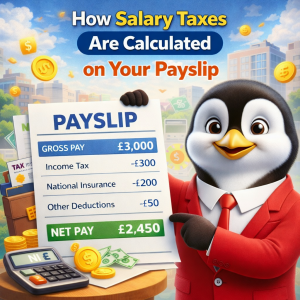
- Taxes and deductions: Automated calculations for income tax, social contributions, retirement funds, insurance premiums, and more.
- Net salary: Accurate take-home pay for employees, after all deductions.
The first step is understanding what the tool can do and how it integrates with existing HR processes. AI calculators are not replacements for HR judgment—they’re precision tools that assist in decision-making and efficiency.
Step 2: Set Up Employee Profiles
Most AI tools require employee profiles to function effectively. HRs can input key information such as:
- Basic salary and allowances
By feeding accurate data, the AI can generate precise calculations and help HRs avoid common errors. A well-maintained profile ensures that every calculation reflects the true payroll scenario, even for complex compensation structures.
Step 3: Automate Routine Calculations
Once profiles are set up, AI calculators can take over routine calculations. This includes:
- Converting gross salary to net salary while considering all deductions
- Computing income tax obligations according to the latest regulations
- Generating CTC reports for internal planning and budgeting
Automation not only saves time but also reduces the risk of human error, which is particularly valuable when managing large teams or remote employees across multiple locations.
Step 4: Use AI Insights for Strategic HR Decisions
AI tools provide more than just numbers—they offer insights. For example:
- Salary benchmarking: Compare internal pay structures with industry standards to remain competitive.
- Budget forecasting: Predict payroll expenses for future hires, increments, or bonuses.
- Trend analysis: Identify patterns in employee compensation and benefits to make informed policy decisions.
By leveraging these insights, HRs can make data-driven decisions rather than relying on guesswork or outdated spreadsheets.
Step 5: Ensure Compliance and Accuracy
One of the most valuable features of AI salary calculators is their ability to stay updated with regulations. Tax laws, social contributions, and labor rules often change, and keeping track manually is challenging. AI tools automatically update these rules, ensuring HRs remain compliant without constant manual checks.
This not only prevents costly mistakes but also enhances the organization’s credibility with employees and regulatory authorities.
Step 6: Save Time and Focus on People
By automating calculations, reducing errors, and providing actionable insights, AI salary calculators free HR teams from repetitive administrative tasks. This allows them to focus on strategic initiatives: talent development, employee engagement, workforce planning, and company culture.
Efficiency gains are particularly noticeable in fast-growing organizations or those with remote or international employees, where manual payroll management can become overwhelming.
Key Benefits of Using AI Salary Calculators
- Accuracy and Reliability: Eliminates human error, ensuring employees are paid correctly every time.
- Compliance: Keeps calculations aligned with the latest tax and labor regulations.
- Time Savings: Automates routine tasks, allowing HR to focus on strategic priorities.
- Data-Driven Insights: Provides analytics for budgeting, forecasting, and benchmarking.
- Scalability: Supports payroll for large teams and global workforces.
These benefits not only make HR operations smoother but also strengthen the organization’s reputation among employees and leadership.
A Global Perspective
While payroll processes vary across countries, AI salary calculators are designed to handle multiple jurisdictions, currencies, and regulatory environments. Whether your team is local or spread across continents, AI ensures payroll remains accurate, compliant, and efficient, enabling organizations to scale without worrying about errors or compliance risks.
Conclusion
Payroll doesn’t have to be stressful, error-prone, or time-consuming. With AI-powered salary calculators, HR professionals can achieve greater accuracy, efficiency, and strategic clarity. From calculating CTC and taxes to managing deductions and budgeting for future hires, AI tools have become essential in modern HR operations.
For teams looking to streamline payroll while maintaining compliance and precision, tools like the Income Tax Calculator, Employer CTC Calculator and Gross to Net Salary Calculator offer simple, reliable, and globally adaptable solutions. Together, they ensure every calculation is precise, every salary structure is transparent, and every HR decision is made with confidence.