Introduction
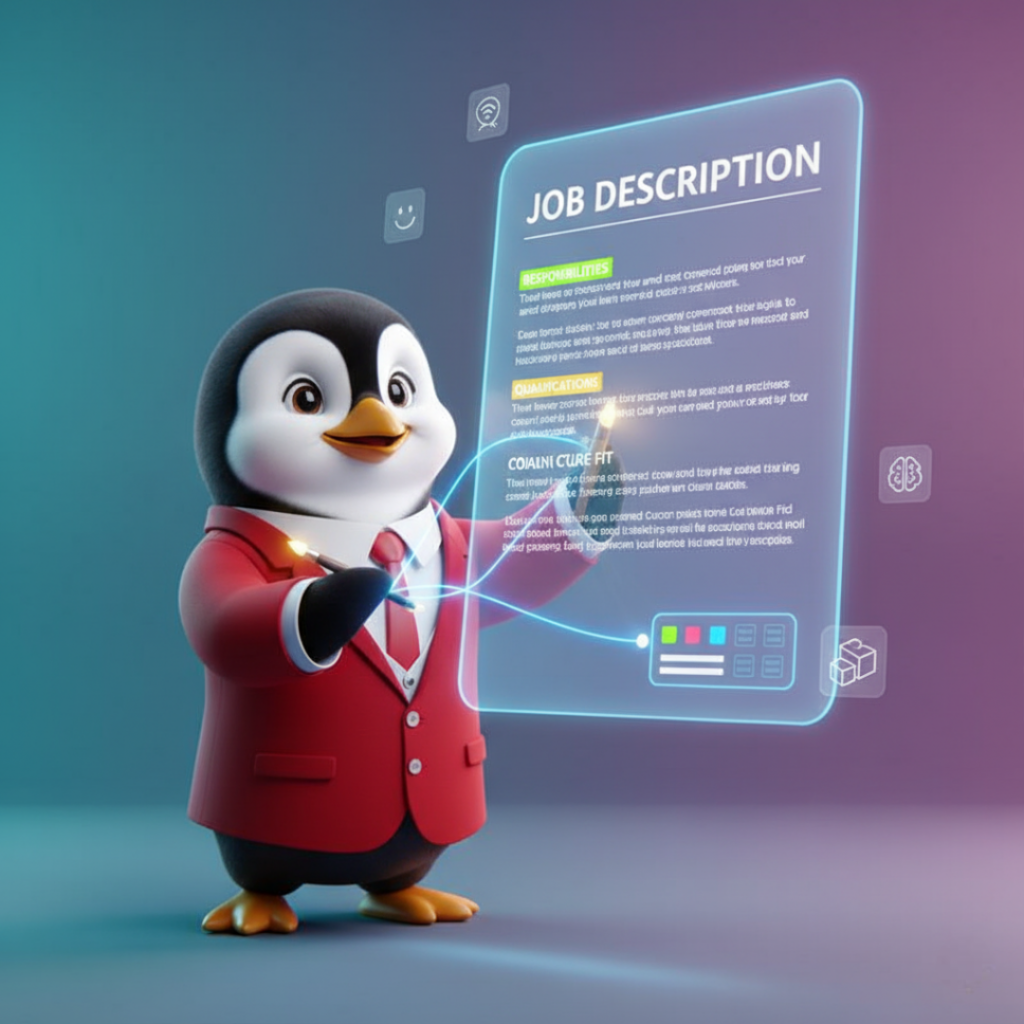
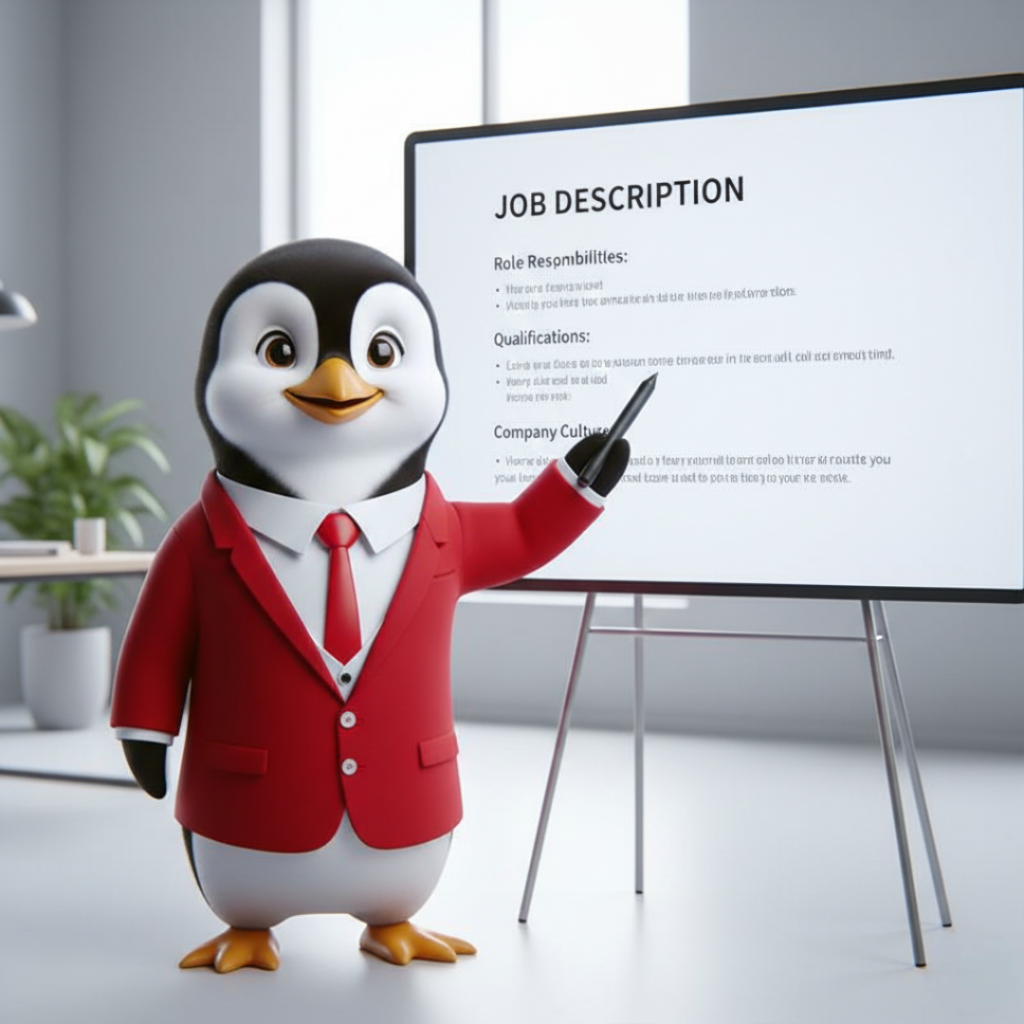
As we move into 2026, hiring is no longer just about filling a position — it’s about finding people who fit the way your company thinks, works, and grows. A job description used to be a plain list of duties. Today, it has quietly become one of the strongest culture-setting tools an organization has.
Candidates now read job descriptions the way consumers read product reviews. They look for clues about communication style, leadership expectations, confidence levels, learning opportunities, flexibility, and the overall vibe of the workplace. This shift means customizing your job descriptions to reflect company culture isn’t optional anymore — it’s essential.
And with new tools like AI job description generators, doing this is easier, faster, and more accurate than ever.
Why Culture-Focused Job Descriptions Matter
- They Attract the Right Mindset, Not Just the Right Skillset
Skills can be trained. Values rarely can. When your job description reflects the voice and character of your company, people who align with your mission naturally feel more connected. Those who don’t will filter themselves out — saving you time and effort.
- They Reduce Early Attrition
Many employees leave within the first year because the “role on paper” didn’t match the real work environment.
A culturally aligned job description sets clear expectations, preventing mismatches.
- They Build Strong Employer Branding
A job description that talks like your brand makes every applicant instantly understand who you are. It communicates confidence, clarity, and consistency — which candidates appreciate.
How to Customize Job Descriptions for Your Company Culture
Below are practical steps that you can implement right away. These work whether your company values innovation, discipline, empathy, speed, creativity, or structured processes.
- Start With the Company Personality
Every company has a personality — friendly, bold, formal, playful, or analytical. Your language must match that tone.
Example:
- A friendly culture → “You’ll work closely with teams who love brainstorming and open communication.”
- A formal culture → “You will collaborate with cross-functional teams through structured review processes.”
Your voice is your first cultural signal.
- Clarify the Work Environment
Work environment includes how teams operate, how decisions are made, and how communication flows.
You can highlight:
- Team size
- Pace of work
- Leadership style
- Autonomy level
- Collaboration expectations
- Learning environment
Example:
“Expect a fast-moving environment where experiments are encouraged and ideas can become products quickly.”
This tells candidates exactly what daily life will feel like.
- Highlight Behavioural Expectations, Not Just Tasks
Tasks explain what you want them to do.
Behaviours explain how you want them to do it.
This is where culture becomes visible.
Examples:
- “You take ownership of projects without needing constant supervision.”
- “You value documentation and structured communication.”
- “You thrive in collaborative, idea-driven discussions.”
These statements attract candidates whose natural working style aligns with yours.
- Include Values That Are Non-Negotiable
Every company has anchors — values that guide decisions.
Examples:
- “Respect for deadlines”
- “Commitment to learning”
- “Customer-first thinking”
- “Transparency in communication”
When you list these values, applicants immediately understand what will make them succeed in the role.
- Add Growth & Development Elements
This is becoming crucial for 2026 hiring.
If your culture supports upskilling, career paths, certifications, or internal mobility — mention it.
Example:
“We encourage continuous learning through internal workshops and cross-team projects.”
It signals that you care about long-term development, not just short-term output.
- Use Examples or Micro-scenarios
These help candidates visualize the culture and their role in it.
Instead of saying:
“Must be proactive.”
Say:
“You’ll often take the lead on new ideas, plan the initial version, and collaborate with the team for quick execution.”
It transforms expectations into real situations.
- Use Tools Like an AI Job Description Creator
Creating culturally aligned job descriptions can be time-consuming.
This is where modern tools, especially an AI job description generator, make a big difference.
They help you:
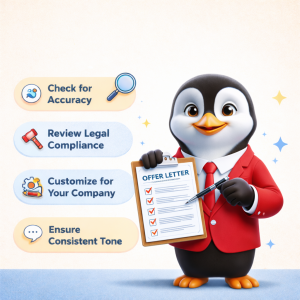
- Maintain consistent tone
- Match your company voice
- Customize behavioural traits
- Add culture-aligned competencies
Reduce bias
- Ensure clarity and structure
- Avoid common hiring mistakes
They simplify everything while making your job descriptions future-ready for 2026 hiring trends.
Bringing It All Together: Example of a Culture-Aligned Rewrite
Generic Version
“We are looking for a Marketing Manager who can plan campaigns, work with teams, and analyze performance.”
Culture-Aligned Version
“We’re looking for a Marketing Manager who enjoys fast-paced idea testing, takes ownership of their campaigns from concept to launch, and collaborates closely with our product and design teams. If you love experimenting, data-driven creativity, and cross-team brainstorming, you’ll feel right at home here.”
Conclusion
2026 is right around the corner, and the hiring landscape is evolving quickly. Candidates want clarity, authenticity, and cultural alignment before they apply. A well-crafted job description is your first handshake with future employees — and it should reflect the real heartbeat of your company.
By highlighting your values, communicating your work environment clearly, and shaping your tone to match your identity, you build stronger teams and create long-term success.
And with intelligent tools like an AI job description generator, customizing job descriptions becomes faster, simpler, and far more consistent.
Create culture-aligned job descriptions in seconds with the HRTailor.AI Job Description Maker — your smart partner for hiring in 2026.