Introduction
Every recruiter knows the struggle — you post a job, and suddenly your inbox overflows with hundreds of resumes, yet only a handful are relevant. The problem isn’t just sourcing talent; it often starts much earlier — with the job description (JD) itself.
A vague or poorly written JD confuses candidates. It fails to define the role, expectations, and skills required, leading to mismatched applications. On the other hand, a clear, structured, and inclusive JD attracts better candidates by setting the right tone from the start.
In 2026, AI-powered job description writing is changing how employers create these listings. From optimizing for search engines to ensuring compliance with local laws, AI makes JDs smarter, sharper, and more effective.
Let’s explore why good JDs matter and how AI takes them to the next level.
The Power of a Good Job Description
A good job description is more than a hiring document — it’s your brand’s first conversation with a potential employee. It shows professionalism, clarity, and attention to detail.
Why it matters:
- Candidates judge your company by how the JD is written.
- The right wording attracts serious professionals rather than random applicants.
- A strong JD reflects company culture and sets the right expectations.
A vague one, however, does the opposite. It can discourage skilled candidates or attract irrelevant profiles who don’t fit the role at all.
Elements of a Good Job Description
Creating an effective JD requires balance — it must be detailed yet concise, professional yet human, structured yet flexible. Here are the core elements every employer should include:
- Clear Job Title
Titles should be precise and searchable. Instead of saying “Software Engineer,” specify:
“Software Engineer – Java, Spring Boot”
This helps candidates immediately identify whether the role suits their expertise.
- Defined Responsibilities
Avoid generic phrases like “Handle development tasks.” Instead, specify measurable actions:
- Design, develop, and deploy backend APIs.
- Collaborate with cross-functional teams to deliver projects.
- Conduct performance optimization and debugging.
Clear responsibilities set realistic expectations from day one.
- Required Skills & Experience
Listing specific skills prevents irrelevant applications. Example:
- Must have hands-on experience with React, Node.js, and MongoDB.
- Minimum 3 years of software development experience.
- Compensation & Benefits Transparency
Today’s candidates value transparency. Mentioning a salary range (e.g., ₹8–10 LPA or $80,000–$100,000) saves time for both sides and reflects fairness.
- Location & Remote Work Options
Remote and hybrid work have become standard expectations. Always clarify whether the role is:
- On-site (specific city or office)
- Hybrid (2–3 days remote)
- Fully Remote
Including this detail helps your JD reach the right audience faster.
- Legal Compliance Clauses
A compliant JD ensures you follow local employment laws. These clauses protect your organization and signal professionalism.
Example:
- In the UK, employers often add: “We are an Equal Opportunity Employer.”
- In the USA, jobs must clarify FLSA exemptions (exempt vs. non-exempt).
- In India, including Shops & Establishments Act alignment shows local HR compliance awareness.
How AI Improves Job Descriptions
AI is now a key partner in modern job description writing. It doesn’t replace HR — it enhances their work by ensuring precision, structure, and compliance.
Here’s how AI elevates every JD:
- Adds SEO Keywords Job Seekers Search For
AI scans current market trends to identify high-performing keywords for your industry.
For example:
- “Frontend Developer React” may perform better than “UI Programmer.”
- “Remote Customer Support Specialist” gets more searches than “Support Agent.”
This helps your JD rank higher on job boards and Google searches, making it visible to qualified candidates.
- Ensures Structured Formatting
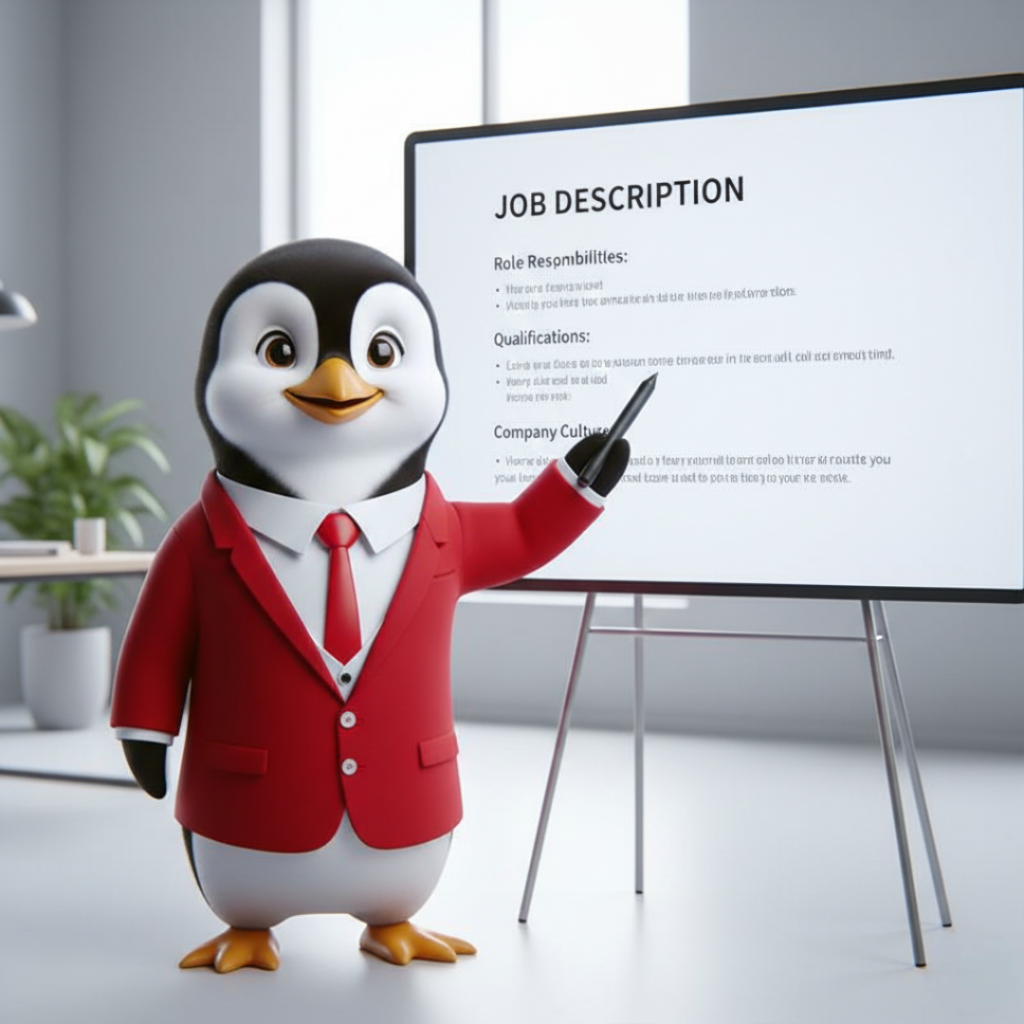
AI organizes JDs into clear sections like Role Summary, Responsibilities, Requirements, and Benefits.
Structured formatting makes your JD ATS-friendly, meaning it passes scanning software used by recruiters and job portals.
- Aligns with Local Compliance Laws
AI understands regional hiring regulations.
- In India, it ensures inclusion of Shops & Establishments Act clauses.
- In UK, it automatically adds Equal Opportunity statements.
- In USA, it distinguishes between exempt and non-exempt roles under FLSA.
This protects companies from accidental compliance gaps.
- Makes JDs Engaging & Inclusive
AI helps avoid biased or outdated language that could discourage certain applicants. For instance, instead of saying “Looking for young professionals,” AI replaces it with “Seeking early-career professionals.”
It ensures inclusivity while maintaining clarity — a small change that makes a big difference.
GEO Examples: AI in Action
AI-powered JDs automatically adapt based on region, laws, and hiring culture.
|
Country
|
AI-Enhanced JD Clause Example
|
|
UK
|
Includes Equal Opportunity Employer statement, GDPR-friendly candidate data disclaimer, and local salary transparency note.
|
|
India
|
Aligns with Shops & Establishments Act, includes ESI/PF compliance details, and mentions location flexibility like Tier-2 remote roles.
|
|
USA
|
Adds FLSA classification (exempt/non-exempt), ADA compliance clause, and pay transparency where mandated (e.g., California, New York).
|
|
UAE
|
Aligns with MOHRE guidelines, includes work visa eligibility statement, and outlines gender equality compliance.
|
This localization gives multinational companies a major advantage — they can publish compliant, country-specific JDs at scale.
Real-World Impact: Why AI JDs Outperform Traditional Ones
- Better Candidate Quality
Companies using AI-driven JDs report higher-quality applications since the roles are described with precision.
- Reduced Hiring Time
Clearer requirements mean fewer irrelevant resumes to screen. Recruiters can shortlist faster.
- Enhanced Employer Branding
When your JDs sound professional, structured, and inclusive, candidates see your organization as reliable and progressive.
- Consistency Across Roles
Whether you’re hiring in three cities or ten countries, AI ensures every JD follows a consistent brand voice and compliance pattern.
Write better JDs and attract top candidates with Job Description Maker.
Create professional, compliant, and inclusive job descriptions in just a few clicks.