
How AI Enhances Resumes for a Global Job Market — and Helps You Stand Out Anywhere
The world hires differently now
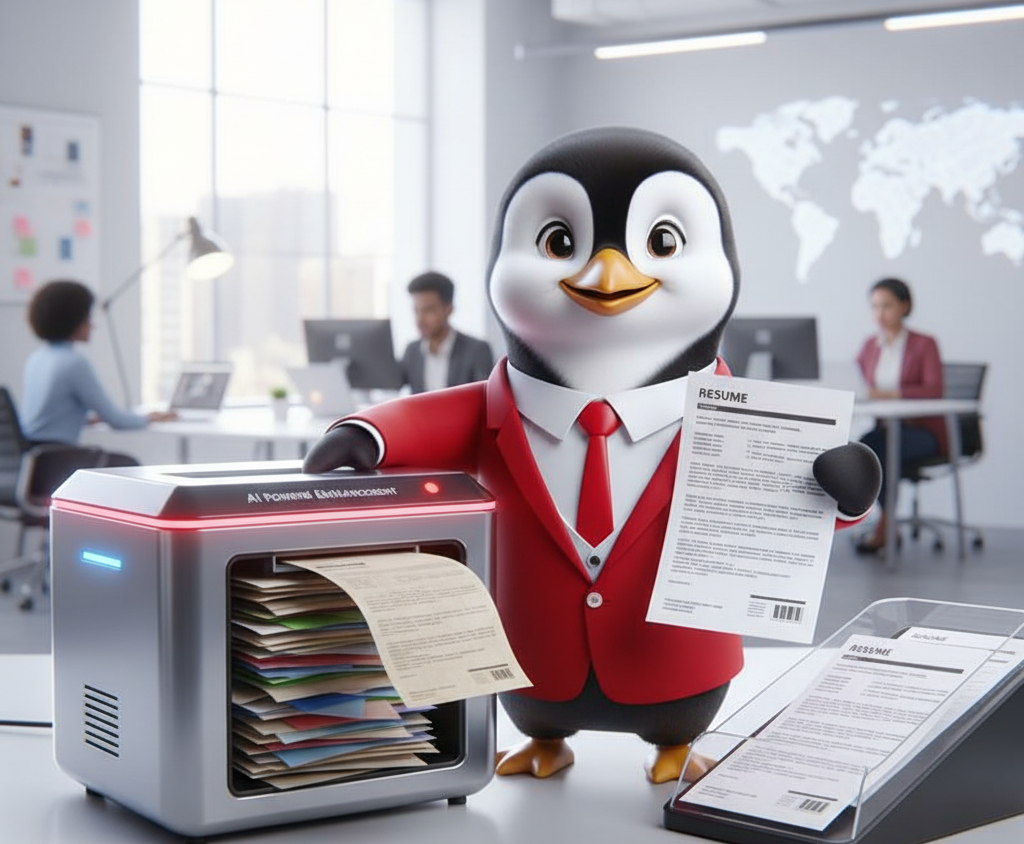
Recruiters no longer sift through stacks of paper. Instead, they skim digital resumes in seconds while Applicant Tracking Systems (ATS) filter thousands of applications automatically. Meanwhile, companies hire across borders, and expectations shift from one region to another. Because of this, a single “one-size-fits-all” resume struggles to compete. However, AI changes the game. With smart analysis, role-aware insights, and geography-specific formatting, it can transform a good resume into a globally competitive one.
In this guide, you’ll learn how AI upgrades resumes for international roles, improves ATS success, and aligns your profile with the norms of each market. Most importantly, you’ll see practical steps you can use today.
Why globalization reshapes resume strategy
Global hiring opens doors; it also raises the bar. Different countries prefer different structures, content density, and even tone. For example, U.S. recruiters typically want concise one-page resumes with measurable results. Conversely, Indian hiring managers often appreciate two pages with detailed academics and projects. Meanwhile, the Middle East may value personal details, visa status, or relocation readiness. Therefore, tailoring matters.
Additionally, hybrid and remote roles multiply the competition. Because your resume competes worldwide, precision beats volume. So rather than sending the same document everywhere, you need a targeted version for each region and role.
What AI actually does to your resume
AI doesn’t guess. It reads job descriptions, analyzes language patterns, and benchmarks against role expectations. Then, it helps you:
- Match the role with laser focus. It extracts the must-have skills from the target posting and maps them to your experience. Moreover, it surfaces gaps and proposes ways to showcase adjacent strengths.
- Optimize for ATS. It structures headings, standardizes section names, and inserts the right keywords in natural contexts. As a result, scanners read your resume cleanly and rank it more accurately.
- Localize for geography. It adjusts length, section order, and details based on country norms. Furthermore, it recommends region-specific terminology (e.g., “gratuity” in the UAE or “FMLA” in the U.S.).
- Rewrite for impact. It converts vague tasks into measurable achievements, adds action verbs, and varies sentence rhythm for readability.
- Polish the design. It chooses clean layouts, consistent spacing, and ATS-safe typography. Consequently, your resume looks modern without confusing scanners.
Geo-specific examples (and what AI changes)
United States
- Focus: One page, achievement bullets, quantifiable outcomes.
- AI tweak: Shrinks fluff, prioritizes the last 10 years, maps keywords like “cross-functional,” “OKRs,” or “HIPAA” (when relevant). Additionally, it ensures standard headings like “Experience,” “Education,” and “Skills.”
India
- Focus: Two pages often acceptable; detailed academics, projects, and certifications.
- AI tweak: Expands technical depth, aligns with campus hiring patterns, and emphasizes internships, hackathons, or GATE/NET where relevant. Moreover, it spotlights impact in crowded markets.
Middle East (UAE, KSA, Qatar)
- Focus: Clarity on relocation, visa status, and regional industry terms (oil & gas, facilities, hospitality).
- AI tweak: Adds a short personal info segment if appropriate, includes visa/work permit notes, and aligns titles with regional expectations (e.g., “Senior Accountant” vs “Accounting Lead”). Additionally, it checks date formats and multilingual proficiency.
United Kingdom & Europe
- Focus: CV-style detail for research or academia; professional formats for industry roles; data privacy awareness.
- AI tweak: Suggests an optional personal profile, aligns with role-standard terms (e.g., “Head of Programme” vs “Program Manager”), and avoids personal details that aren’t customary. Furthermore, it can add publications or conferences in academic CVs.
Singapore
- Focus: Precision, skills currency, and sector compliance (e.g., finance, healthcare).
- AI tweak: Highlights certifications, streamlines cross-border experience, and reinforces compliance terminology. As a result, busy recruiters see relevance instantly.
ATS made simple — and winnable
ATS isn’t an enemy; it’s a filter. When your resume uses standard headings, keyword-rich bullets, and simple formatting, the system reads it cleanly. However, complex tables, heavy graphics, or unusual icons can reduce your score. Therefore, AI:
- Replaces graphical skill bars with text-based proficiency.
- Uses bullet points, not text boxes, for responsibilities and results.
- Normalizes job titles (e.g., “Software Engineer” instead of “Code Ninja”).
- Places contact info and links (portfolio, LinkedIn) where parsers expect them.
Because of these changes, your resume becomes both human-pleasant and machine-readable.
The anatomy of a globally strong resume
1) Headline & summary that travel well
Lead with a crisp headline that mirrors the target role: “Product Manager — FinTech & Payments.” Then, add a 3-4 line summary that names core strengths, tech stack, and signature outcomes. Consequently, recruiters instantly see fit.
2) Experience with measurable achievements
Use the action + impact formula:
- “Reduced onboarding time by 35% by automating KYC steps across 3 regions.”
- “Grew B2B pipeline by ₹2.3 crore within two quarters through ABM campaigns.”
Furthermore, place the most relevant achievements first, even within the same job.
3) Skills that match the job, not the whole world
Balance depth and breadth. Instead of listing every tool you’ve ever touched, group by category: Languages, Frameworks, Platforms, Analytics, Compliance. Additionally, keep it current. Outdated stacks can dilute your profile.
4) Education & certifications that boost credibility
In the U.S., keep it brief if you’re experienced. In India or fresh-grad roles, add GPA, projects, and honors. Meanwhile, for regulated industries, highlight certifications (PMP, CISSP, ACCA) near the top.
5) Extras that matter globally
Volunteer leadership, hackathons, speaking engagements, or open-source contributions prove initiative. Therefore, include them when they reinforce your brand.
From generic to tailored — a quick, repeatable workflow
You don’t need to rebuild from scratch for every application. Instead, create a strong “master” resume, then tailor it in minutes:
- Collect the job description. Copy the text from the posting.
- Run a gap analysis. Let AI compare the JD to your master resume. Additionally, note missing skills or synonyms.
- Prioritize top 6–8 keywords. Integrate them naturally into bullets, summary, and skills.
- Reorder sections. If the role is technical, elevate your “Projects” section; if leadership, surface “Team & Stakeholder Impact.”
- Adjust length and details according to country norms.
- Proof & polish. Check tense consistency, numbers, and links. Consequently, your version feels crafted, not copy-pasted.
Tone, style, and voice: how AI keeps it human
Nobody enjoys reading robotic text. Because of that, modern tools vary sentence length, use strong verbs, and keep jargon under control. Additionally, they trim filler phrases (“responsible for,” “worked on,” “helped with”) and replace them with direct language (“led,” “built,” “shipped,” “launched”). As a result, you sound confident, clear, and credible—without sounding boastful.
Real-world mini transformations
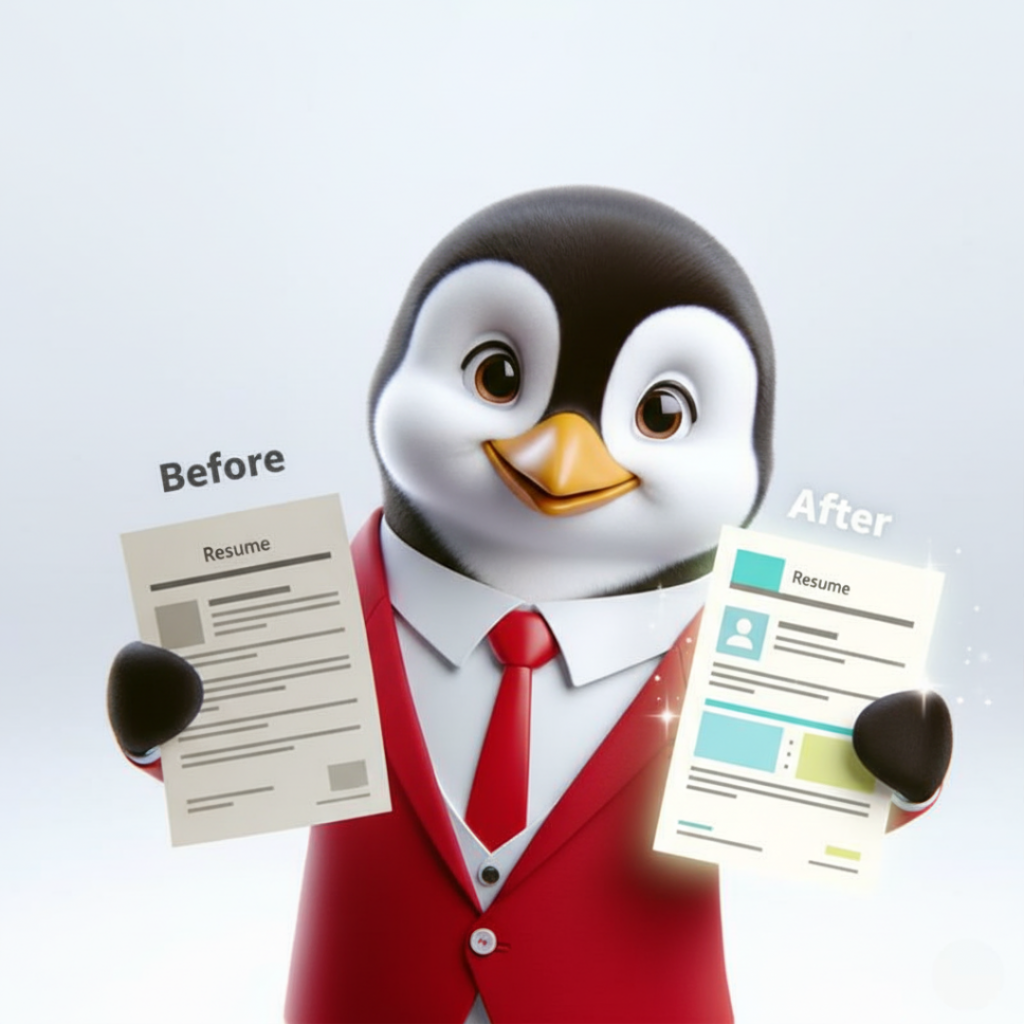
IT Engineer (India) — Before:
“Worked on cloud projects. Involved in deployments. Helped with CI/CD.”
After:
“Automated CI/CD pipelines for 12 microservices, cutting deployment time from 45 minutes to 8 minutes. Additionally, migrated 3 legacy modules to Kubernetes, improving reliability and reducing on-call alerts by 22%.”
Marketing Manager (UAE) — Before:
“Handled campaigns and team tasks. Responsible for content and SEO.”
After:
“Led a cross-border content and paid search strategy, increasing qualified leads by 41% in 2 quarters. Furthermore, launched Arabic/English landing pages and localized ad copy, reducing CPL by 28% while improving MQL quality.”
Graduate (USA) — Before:
“CSE student with interest in AI. Took multiple courses.”
After:
“Completed 2 AI internships and built an NLP classifier with 91% F1 on 50k labeled emails. Moreover, co-led a team of 4 to ship a React dashboard that tracked lab inventory in real time.”
Ethical, inclusive, and bias-aware
Fairness matters. Therefore, good AI guidance avoids personal attributes where they’re not customary, keeps language inclusive, and ensures compliance with local privacy norms. Additionally, it warns against sensitive data in portfolios, redacts confidential client details, and discourages inflated claims. Because credibility travels, you win more interviews.
Portfolio and LinkedIn — the global amplifiers
Your resume is the hook; your portfolio and LinkedIn are the reel. Consequently, align all three:
- Consistency: Job titles, dates, and metrics should match.
- Show, then tell: Link to case studies, GitHub repos, decks, or demo videos.
- Regional proof: Add location-specific projects or clients when relevant.
- Recommendations: Request brief, specific endorsements; they travel well across markets.
Because recruiters often check your online presence next, this alignment multiplies trust.
Common pitfalls to avoid
Even great candidates trip over small mistakes. Therefore, watch out for:
- Graphic-heavy templates that break ATS parsing.
- Overloaded skills lists with tools you haven’t used recently.
- Vague bullets with no metrics, timeframe, or scope.
- Personal details that aren’t customary in certain regions.
- Inconsistent tense (past for previous roles, present for current role).
How to measure improvement (and keep improving)
Optimization isn’t a one-time task. Instead, track:
- ATS match scores before and after tailoring.
- Interview rate per 10 applications.
- Recruiter replies and the quality of roles.
- Time-to-interview after applying.
- Which regions respond most positively to which version.
Moreover, review results weekly. Small adjustments compound.
Final word: global standards, personal story
Yes, AI helps you adapt to global standards. However, your voice still matters. Keep your unique story—why you chose your field, how you solve problems, and what kind of teammate you are. With structure and substance in place, your personality shines through. Consequently, you don’t just pass filters; you connect with people.
Ready to compete globally? Use an AI resume enhancer to tailor your resume for the role, the region, and the ATS—without losing your voice. Optimize once, then iterate fast. Your next interview can be anywhere.

Frequently Asked Questions
Quarterly is a good baseline. Additionally, update after big milestones.
It adapts formatting, phrasing, and required details based on local hiring norms — what works in the US can get rejected instantly in Germany or Japan.
Yes — it extracts role expectations from the posting and rewrites bullet points to highlight the skills and results that recruiters actually search for.
By inserting relevant keywords naturally, structuring content for scanning, and removing formatting traps that make ATS engines reject resumes blindly.

Job Contract Agreement Explained With Key Clauses and Examples
Job Contract Agreement Explained With Key Clauses and Examples Introduction...
Read More
What HR Teams Should Check Before Using a Sample Offer Letter
What HR Teams Should Check Before Using a Sample Offer...
Read More
How Salary Taxes Are Calculated on Your Payslip
Your pay slip can look like a mini...
Read More
End of Employment Letters: Resignation, Termination, and Closure Explained
End of Employment Letters: Resignation, Termination, and Closure Explained Introduction...
Read More